Understanding Window Tinting
What is Window Tint?
Window tinting involves applying a thin film to the glass surfaces of cars, homes, or commercial buildings. This film can vary in tint level, material, and function, providing not only aesthetic enhancements but also a range of practical benefits. Films are created using layers of polyester and may be treated with various coatings to improve durability, reduce glare, or provide UV protection. It is a popular choice for vehicle owners who want to enhance privacy, reduce heat, and protect interiors from sun damage.
Benefits of Window Tint Near Me
Choosing window tint near me brings numerous advantages that go beyond mere aesthetics. One of the primary benefits is heat reduction; window films can block a significant percentage of solar energy, keeping vehicles cooler and improving comfort. Another considerable advantage is UV protection, with high-quality films blocking up to 99% of harmful UV rays. Additionally, window tint allows for enhanced privacy and security, as darker films hinder visibility from outside. Moreover, reducing glare improves driving safety and experience.
Types of Window Films Available
Several types of window films cater to different needs and preferences. The most common types include:
- Dyed Window Films: These films are popular for their affordability and appearance but may not offer significant heat or UV protection.
- Metalized Window Films: These films reflect heat and UV rays, improving energy efficiency. They are known for their durability but can interfere slightly with radio signals.
- Carbon Window Films: Providing excellent UV protection and heat reduction without a shiny appearance, carbon films also resist fading over time.
- Ceramic Window Films: These high-performance films are designed to block heat and UV rays without inhibiting visibility, suitable for those wanting the best technology.
- Security Window Films: These thicker films offer additional protection against break-ins and accidents by holding shattered glass together.
Choosing the Right Tint
Factors to Consider Before Tinting
Before opting for window tinting, consider several factors that may influence your decision. First, assess your need for heat reduction against the legal tinting limits in your area. The type of vehicle and its intended use should also guide your choice; for instance, a luxury car might benefit from a premium film while an older vehicle may not warrant the same investment. Consider the appearance you want to achieve—different tint levels provide varying degrees of visibility and style. Lastly, always check warranty options and film quality to ensure lasting benefits.
Legal Regulations on Window Tint
Compliance with local regulations regarding window tinting is crucial to avoid fines and ensure safety. Laws typically cover various aspects, including acceptable VLT (Visible Light Transmission) percentages for different windows in vehicles. Each state or region may have specific rules regarding front, rear, and side windows. It's advisable to consult local regulations or professional services familiar with the law to ensure you choose a tint that meets legal requirements.
Identifying Quality Tinting Services
Choosing the right service provider can significantly influence the outcome and longevity of your window tint installation. Look for a service with extensive experience and positive reviews. A reputable installer should showcase their past work, provide warranties, and use high-quality materials. Asking questions about the types of films they offer, their installation methods, and aftercare support can also help in making an informed decision.
Installation Process Explained
Preparing Your Vehicle for Tint
Preparation is essential for a successful window tint installation. Start by thoroughly cleaning the windows that will be tinted to remove dirt, dust, and residues, ensuring optimal adhesion of the film. Some installers may recommend that you leave your windows up for a day before installation to allow for proper sealing. Also, consider the environmental conditions; it's best to install tint in a controlled environment free from extreme temperatures and direct sunlight.
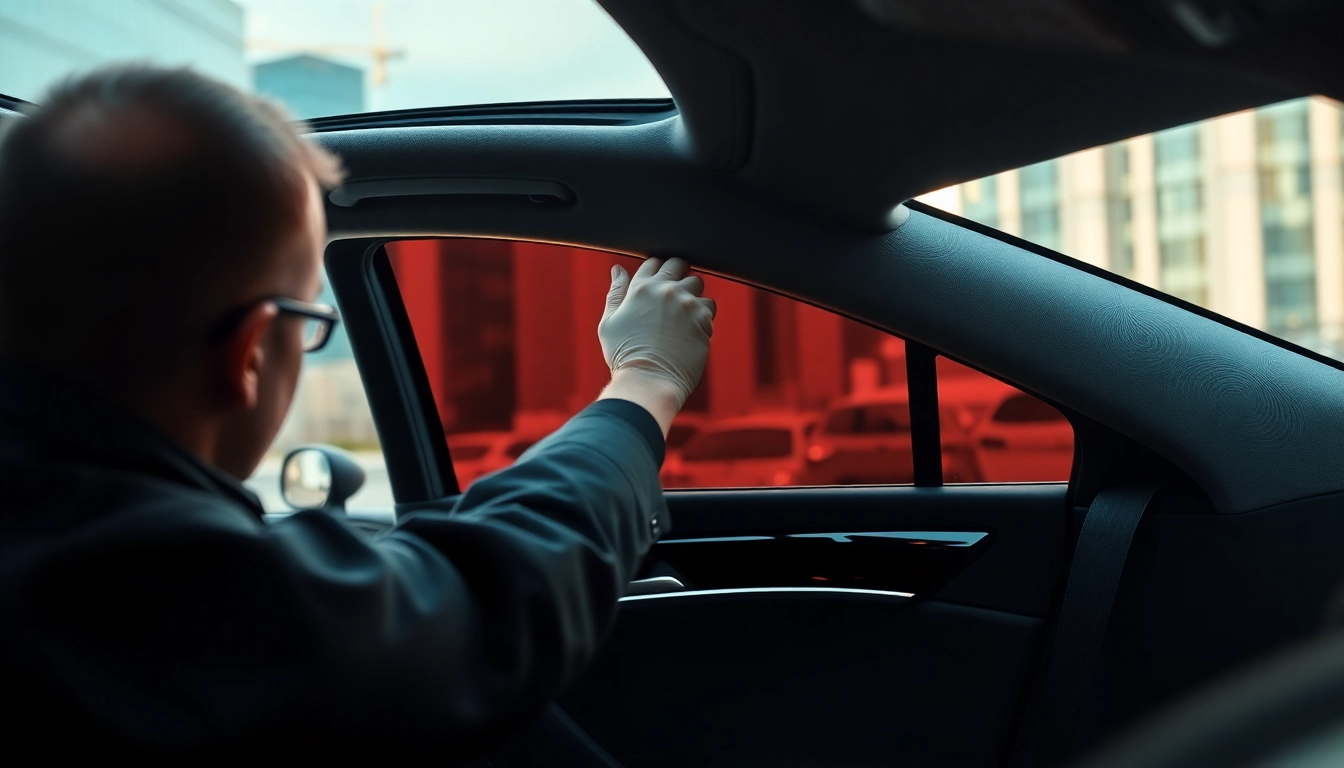
Step-by-Step Tinting Process
The tinting process typically involves several detailed steps:
- Cutting the Film: The installer will measure and cut the film to fit the windows precisely.
- Applying Solution: A soapy water solution is sprayed onto the glass to facilitate the application of the film.
- Placing the Film: The film is placed onto the wet surface and adjusted as necessary to ensure it fits correctly.
- Squeegeeing: Excess water and air bubbles are removed from underneath the film using a squeegee.
- Curing: Post-application, the film needs time to cure; the installer will suggest how long to wait before rolling down the windows.
Aftercare for New Tint
Proper aftercare helps maximize the life and effectiveness of your new tinted windows. Avoid rolling down the windows for at least three to five days after installation to allow the adhesive to set. Cleaning should be done using a soft cloth or microfiber; abrasive materials can scratch the film. Maintain the tinted windows regularly, ensuring that pets, heavy objects, or harsh weather conditions do not cause any damage.
Cost Considerations
Average Pricing for Window Tint Near Me
The costs of window tinting can vary based on factors such as vehicle type, the extent of tinting required, and the choice of film quality. On average, the cost for professional installation may range from $200 to $600. Luxury films or services for larger vehicles may exceed this range. It's wise to obtain several quotes from different providers to assess the averages in your local market.
What Affects Tinting Costs?
Several factors can influence the total cost of window tinting, including:
- Type of Film: Professionals recommend premium films for better durability and performance, impacting the overall price.
- Vehicle Size: Larger vehicles require more film and may take longer to complete, which can increase the price.
- Installer Expertise: Highly-rated professionals might charge more for their expertise, but they often provide better results.
- Geographic Location: Costs may vary widely depending on the local market and demand for tinting services.
Value of Professional Installation
While DIY options exist, opting for professional installation often proves more beneficial. Professionals ensure high-quality application without bubbles or defects, using specialized tools and techniques. Furthermore, reputable installers will offer warranties, safeguarding your investment against peeling or discoloration. In many cases, choosing professional services may save money in the long term through better performance and longer lifespan of the tint.
Frequently Asked Questions
Is window tinting legal in my area?
Window tinting laws vary by state or region. It's essential to check local regulations to ensure compliance before installing tint.
How long does window tint last?
The lifespan of window tint can range from 5 to 15 years, depending on the quality of the film and installation, as well as the care it receives.
Can window tint reduce heat?
Yes, quality window tints can significantly reduce solar heat entering the vehicle, leading to a cooler interior, especially in warm climates.
What is the best tint for UV protection?
Ceramic window films are often regarded as the best for UV protection, blocking up to 99% of harmful rays without altering visibility.
How do I choose a tint shade?
Choosing a tint shade involves balancing personal preference with legal limits. Consider visibility, style, and functionality when deciding.