The Role of Expositores in Modern Trade Events
In the realm of trade events, the role of expositores is pivotal, bridging the gap between businesses and potential customers. These exhibitors not only showcase their products and services but also play a crucial role in the networking, education, and advancement of industry knowledge. As businesses prepare for the upcoming 2026 trade exhibitions, understanding the multifaceted roles of expositores is essential for maximizing visibility and engagement. When exploring options, Expositores can provide comprehensive insights that lead to successful outcomes at trade events.
Understanding the Concept of Expositores
The term "expositores" refers to individuals or organizations that participate in trade shows and exhibitions to display their products and services. These exhibitors come from various industries, each bringing unique offerings that contribute to the diversity of the event. Understanding the concept of expositores is essential for both participants and attendees. They serve as a platform for businesses to demonstrate their innovations, connect with a targeted audience, and gather valuable market feedback.
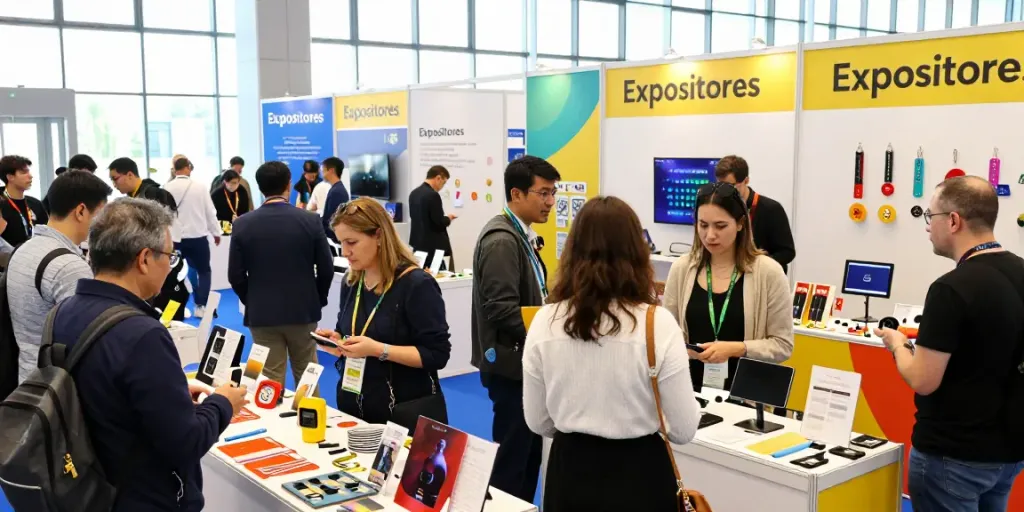
Expositores can vary in size from small startups to large multinational corporations, and they often employ creative display strategies to attract visitors. Interactive booths, product demonstrations, and engaging marketing materials are just a few tactics used by expositores to enhance attendee experience and facilitate meaningful interactions.
The Impact of Expositores on Business Growth
Expositores significantly contribute to business growth by creating opportunities for direct interaction with potential clients and partners. For many businesses, trade shows are a primary channel for lead generation. A well-executed exhibition strategy can lead to increased sales, brand awareness, and valuable partnerships.
- Lead Generation: Expositores can capture leads through various means such as contest entries, sign-up sheets, or digital engagement tools.
- Brand Exposure: By showcasing their offerings in a vibrant environment, businesses can enhance their brand visibility among consumers and industry stakeholders.
- Market Research: Engaging with attendees allows expositores to gather feedback on products and services, helping to refine future offerings.
The cumulative effect of these interactions can significantly elevate a business's market position, showcasing the critical role of expositores in driving growth.
Trends Shaping Expositores Experiences in 2026
As we look ahead to 2026, several trends are emerging that will shape the experiences of expositores and the overall landscape of trade events:
- Digital Integration: The integration of digital technologies, including virtual reality (VR), augmented reality (AR), and mobile applications, is transforming how expositores present their products. These technologies provide immersive experiences that engage attendees far beyond traditional methods.
- Sustainability Practices: With a growing emphasis on environmental responsibility, expositores are increasingly adopting sustainable practices in their presentations. This includes eco-friendly materials, digital brochures instead of printed ones, and promoting sustainable products.
- Personalization: Customization is key. Expositores are exploring personalized engagements, using data analytics to tailor interactions based on attendee preferences and behaviors.
Best Practices for Successful Expositores Participation
How to Prepare Effectively for Showcasing
Successful participation as an expositor begins with comprehensive preparation. Here are some best practices:
- Define Objectives: Establish clear goals for your participation, whether it's to generate leads, increase brand awareness, or launch a new product.
- Research the Audience: Understand the demographics and interests of the attendees to tailor your messaging and engagement strategies accordingly.
- Create an Engaging Booth Design: Your booth should be visually appealing and inviting. Utilize interactive elements to draw attendees in and encourage them to engage with your staff.
Strategies for Engaging with Your Audience
Engagement is a critical component of the expositor experience. Here are effective strategies to connect with attendees:
- Interactive Demos: Conduct live demonstrations to showcase your products in action, allowing attendees to see their benefits firsthand.
- Personal Touch: Train your team to engage with guests personally, offering them tailored information based on their interests and queries.
- Collect Feedback: Use surveys or feedback forms to gather insights from attendees about their perceptions of your products and presence.
Measuring Success: Key Performance Indicators
Evaluating the success of your participation as an expositor involves tracking several key performance indicators (KPIs):
- Lead Conversion Rate: Measure the number of leads generated versus the number of leads converted into sales.
- Brand Awareness Metrics: Assess changes in brand recognition and recall among attendees before and after the event.
- Engagement Levels: Track booth traffic, interactions, and social media engagement to understand how well you connected with the audience.
Challenges Faced by Expositores in the Industry
Common Pitfalls to Avoid During Events
While participating as an expositor can yield many benefits, several common pitfalls may hinder success:
- Lack of Preparation: Failing to plan ahead can lead to poor execution and missed opportunities.
- Ignoring Follow-up: Not following up with leads post-event can result in lost potential sales.
- Underestimating Competition: If you fail to acknowledge your competitors, you may miss out on vital strategies that could enhance your visibility.
Navigating Logistical Complexities of Expositores
Logistics can be a daunting aspect of participating in trade events. Here are strategies to navigate these complexities:
- Timeline Management: Create a detailed timeline that outlines all tasks leading up to the event, including shipment of materials, booth setup, and staffing schedules.
- Vendor Coordination: Work closely with vendors and venue management to ensure all logistical details, such as electricity and internet access, are confirmed ahead of time.
- Contingency Planning: Have backup plans for potential issues, like equipment failures or delays in shipment.
Overcoming Competition in Saturated Markets
In crowded marketplaces, distinguishing your brand as an expositor is vital:
- Differentiation: Clearly articulate what sets your products apart from competitors and communicate this effectively at the event.
- Storytelling: Utilize compelling narratives that resonate with your audience to create emotional connections with your brand.
- Innovative Displays: Invest in creative booth designs that capture attention and encourage passersby to stop and engage.
Case Studies of Successful Expositores
Highlighting Innovative Expositores from Past Events
Examining successful expositor case studies provides valuable insights. For instance:
- Brand A: This company utilized VR technology to create an immersive experience for attendees, resulting in a 50% increase in leads compared to previous events.
- Brand B: By adopting a sustainable booth design, this expositor attracted eco-conscious consumers and received significant media coverage.
Lessons Learned from Industry Leaders
Industry leaders often provide valuable lessons through their experiences:
- Adaptability: The ability to pivot strategies based on real-time feedback and market trends is crucial for success.
- Continuous Engagement: Maintaining connections with leads post-event can significantly impact overall sales success.
Future Predictions Based on Case Study Insights
As we look towards the future, predictions based on case studies suggest:
- Increased Use of AI: Expositores are likely to incorporate artificial intelligence to personalize attendee interactions further.
- Hybrid Events: The trend toward hybrid exhibitions, combining in-person and virtual engagement, will become more prominent, creating broader reach.
Preparing for the Future: Emerging Trends and Innovations for Expositores
Innovative Technologies Transforming Expositores
The future of expositores is being shaped by rapid technological advancements:
- Artificial Intelligence: AI can analyze attendee data to optimize marketing strategies and engagement efforts.
- Virtual Reality: VR is increasingly being used for product demonstrations, providing immersive experiences that traditional methods cannot match.
The Role of Sustainability in Expositores Practices
Sustainability is becoming a core principle among expositores. Embracing eco-friendly practices not only reflects corporate responsibility but also appeals to a growing demographic of environmentally conscious consumers.
Preparing for Challenges in 2026 and Beyond
As the landscape of trade shows evolves, expositores must prepare for ongoing challenges:
- Economic Fluctuations: Understanding market trends and consumer expectations will be essential for adaptation.
- Technological Changes: Staying abreast of new technologies and their applications in showcasing efforts will ensure continued relevance.
What Are the Benefits of Attending Expositores?
Attending expos as visitors provides numerous benefits, including:
- Networking Opportunities: Connect with other industry professionals, fostering relationships that can lead to collaborations.
- Market Insights: Gain a deeper understanding of industry trends and competitor offerings.
How Can New Businesses Leverage Expositores?
New businesses can maximize their exposure by leveraging expos:
- Showcase Innovation: Use expos to introduce unique products that set you apart from competitors.
- Build Brand Presence: Establish a footprint in the industry by participating actively in events and networking with key players.
What Are the Key Metrics for Evaluating Expositores Performance?
Evaluating performance as an expositor involves assessing:
- Lead Generation Effectiveness: How many leads were generated, and how do conversion rates compare to previous events?
- Return on Investment (ROI): Calculate the financial returns relative to the costs incurred for participating in the event.
How Can I Effectively Network as an Exhibitor?
Networking as an exhibitor can be enhanced through the following strategies:
- Business Cards: Ensure your team has ample business cards available to distribute during conversations.
- Follow-Up Strategy: Plan post-event follow-ups with collected leads to build upon initial interactions.
What Are the Top Trends for Expositores in 2026?
In 2026, we can expect to see:
- Increased Customization: A higher demand for personalized experiences at trade shows.
- Enhanced Digital Presence: More businesses will likely incorporate digital interfaces into their booth designs to captivate tech-savvy audiences.